
All of our Kachinas can be ordered. Please email us if you are interested.
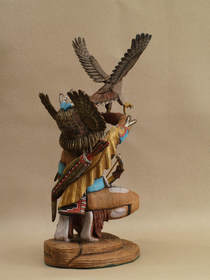
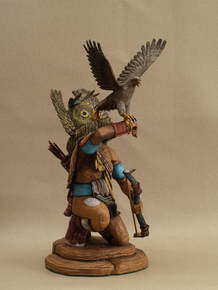
Owl and Eagle by Alfred Lomahquahu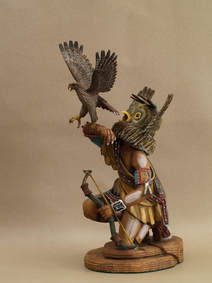
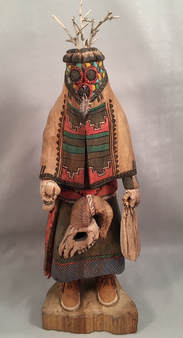
Two Horned Priest by Cecil Calnimptewa |
|
|
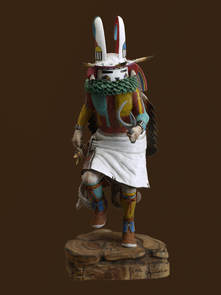
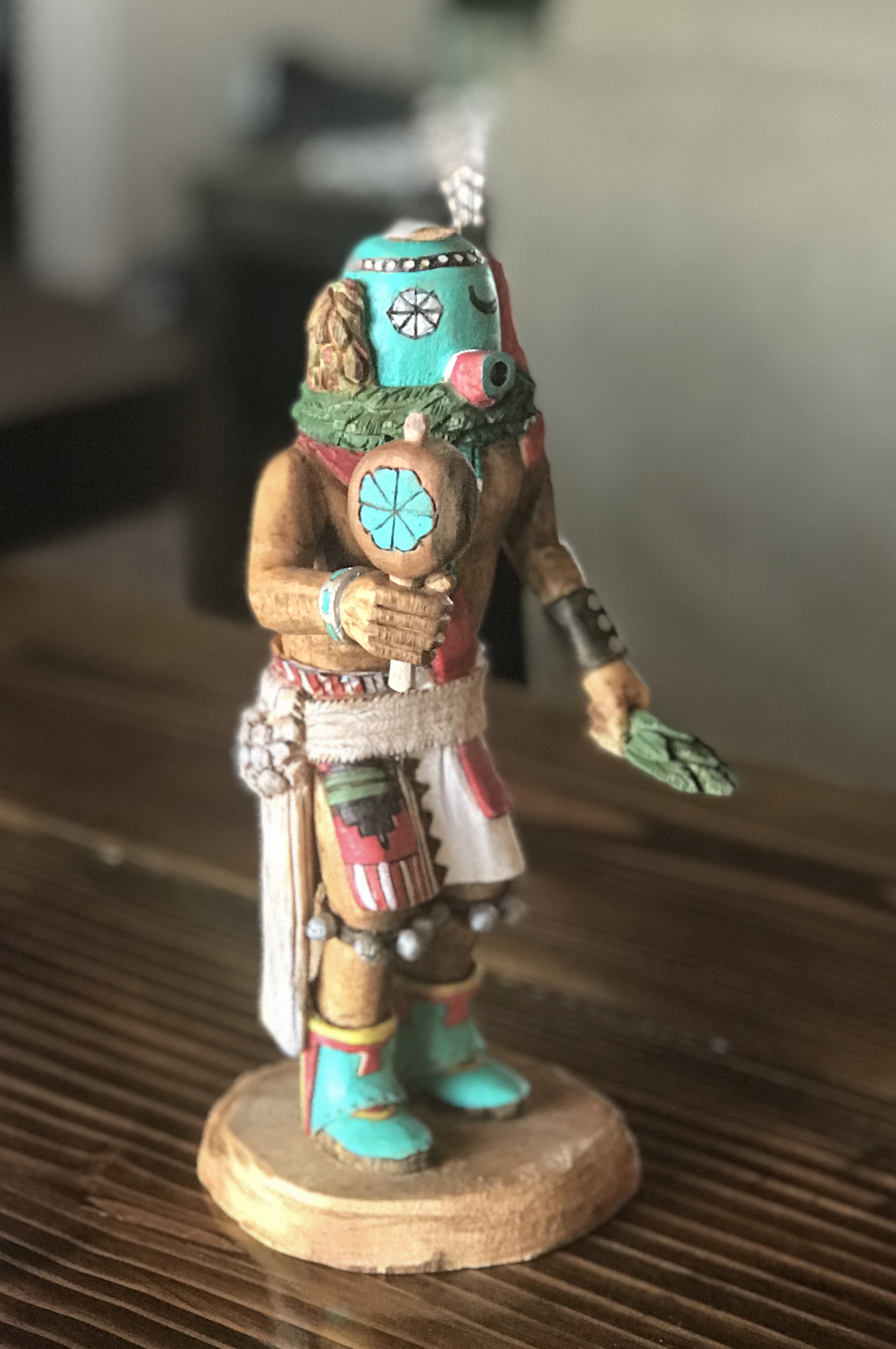
Supai by Alfred Lomahquahu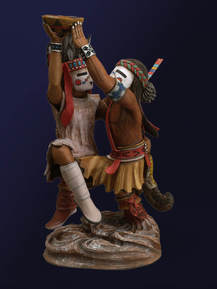
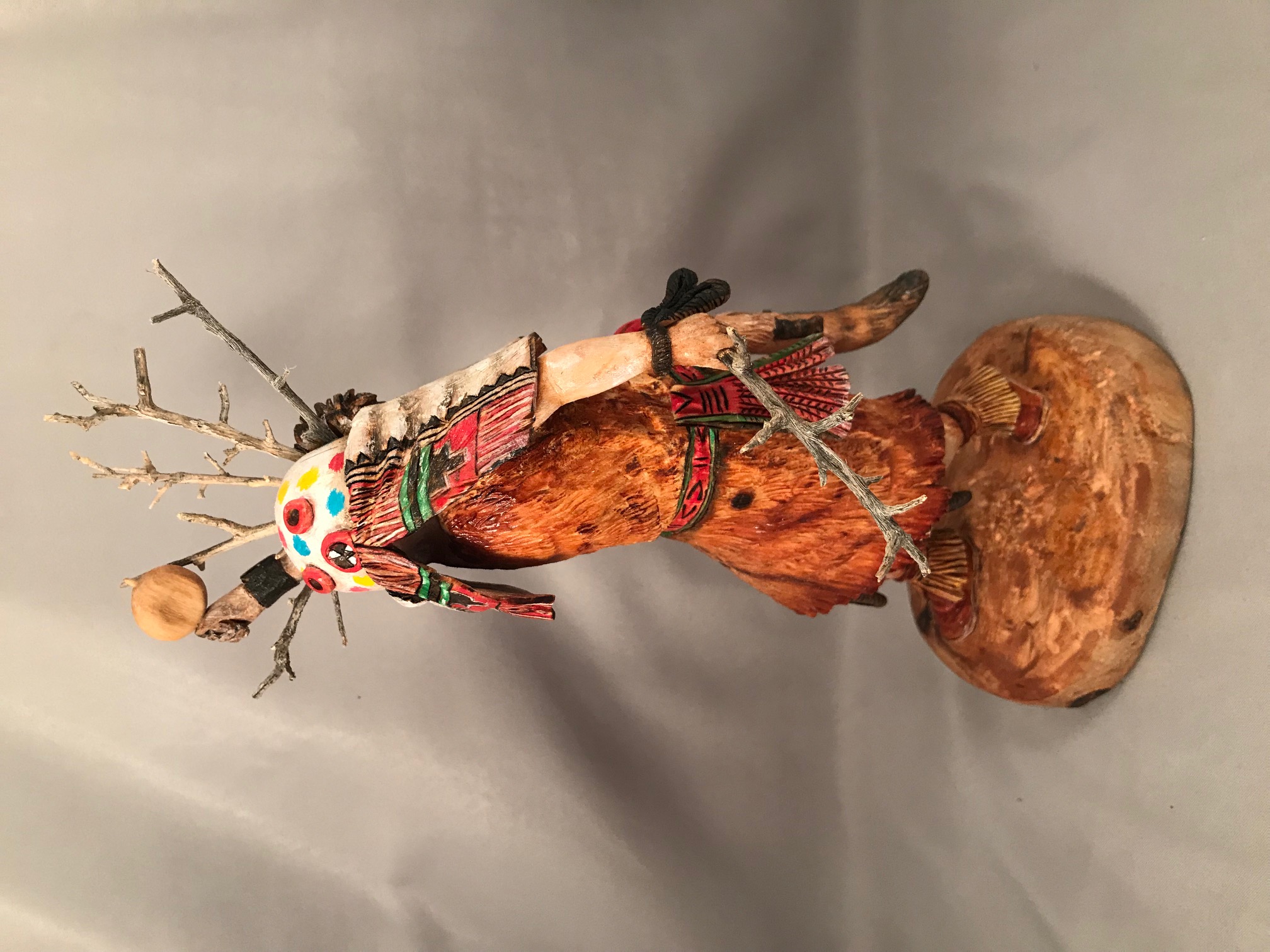
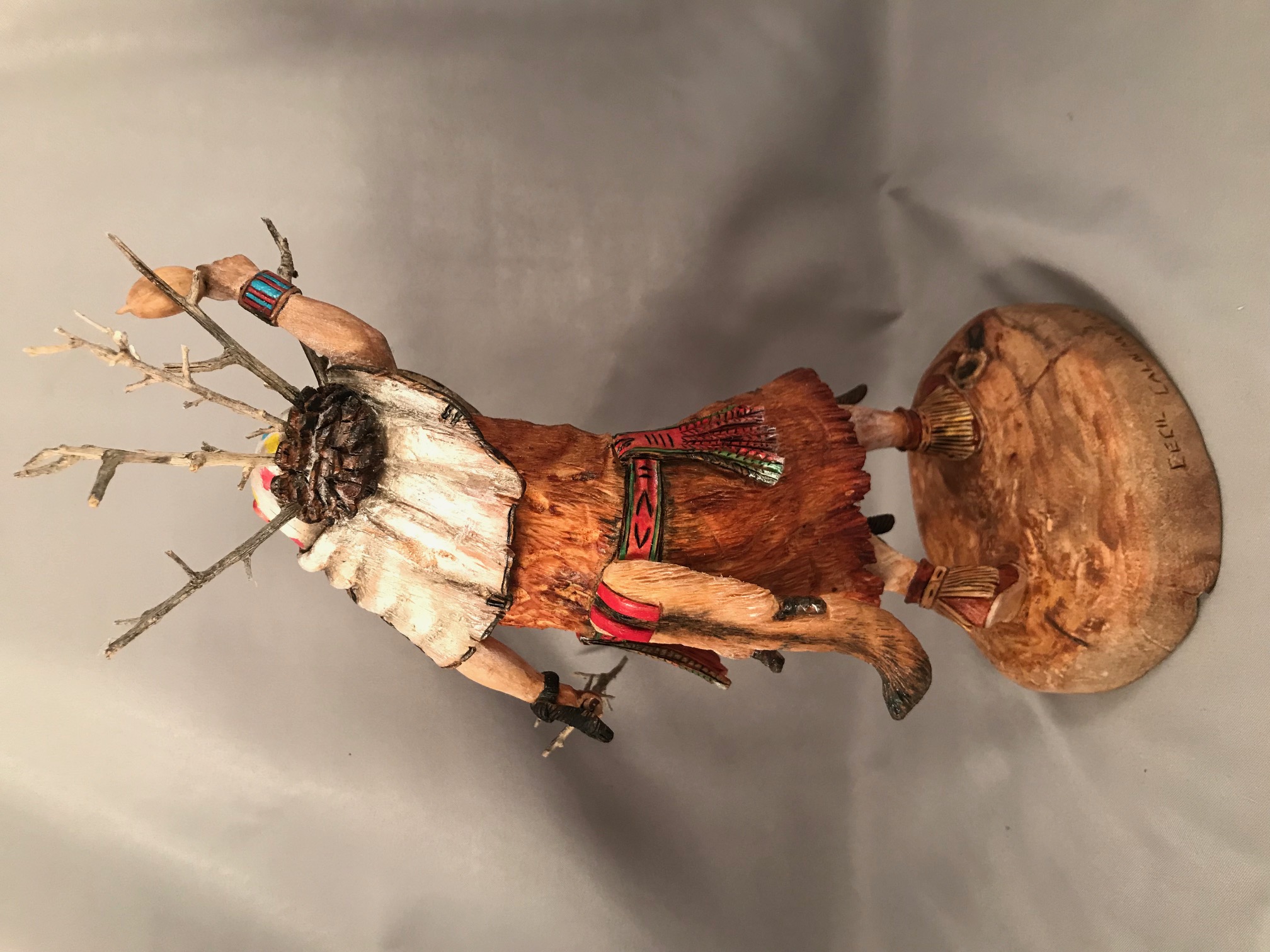
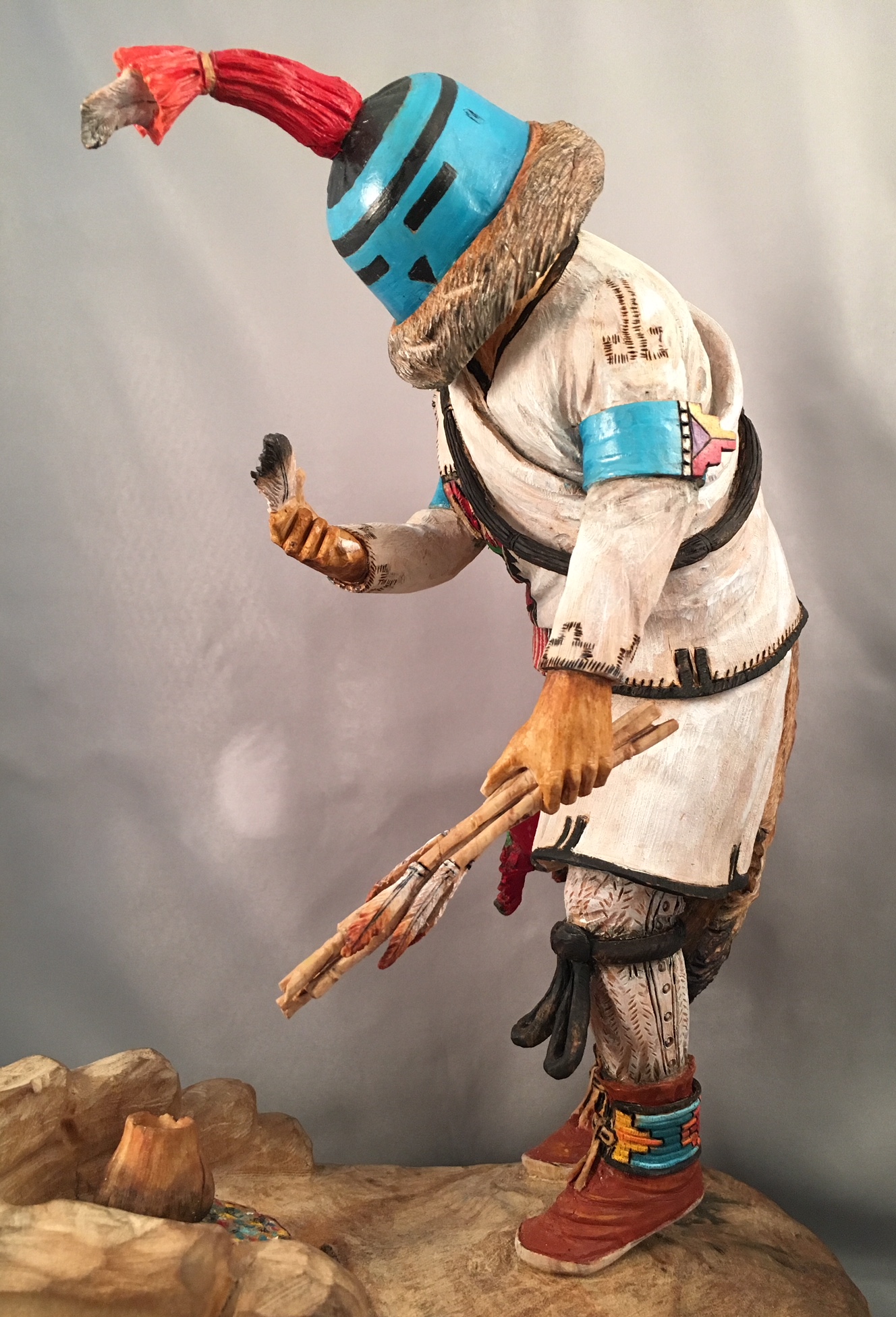
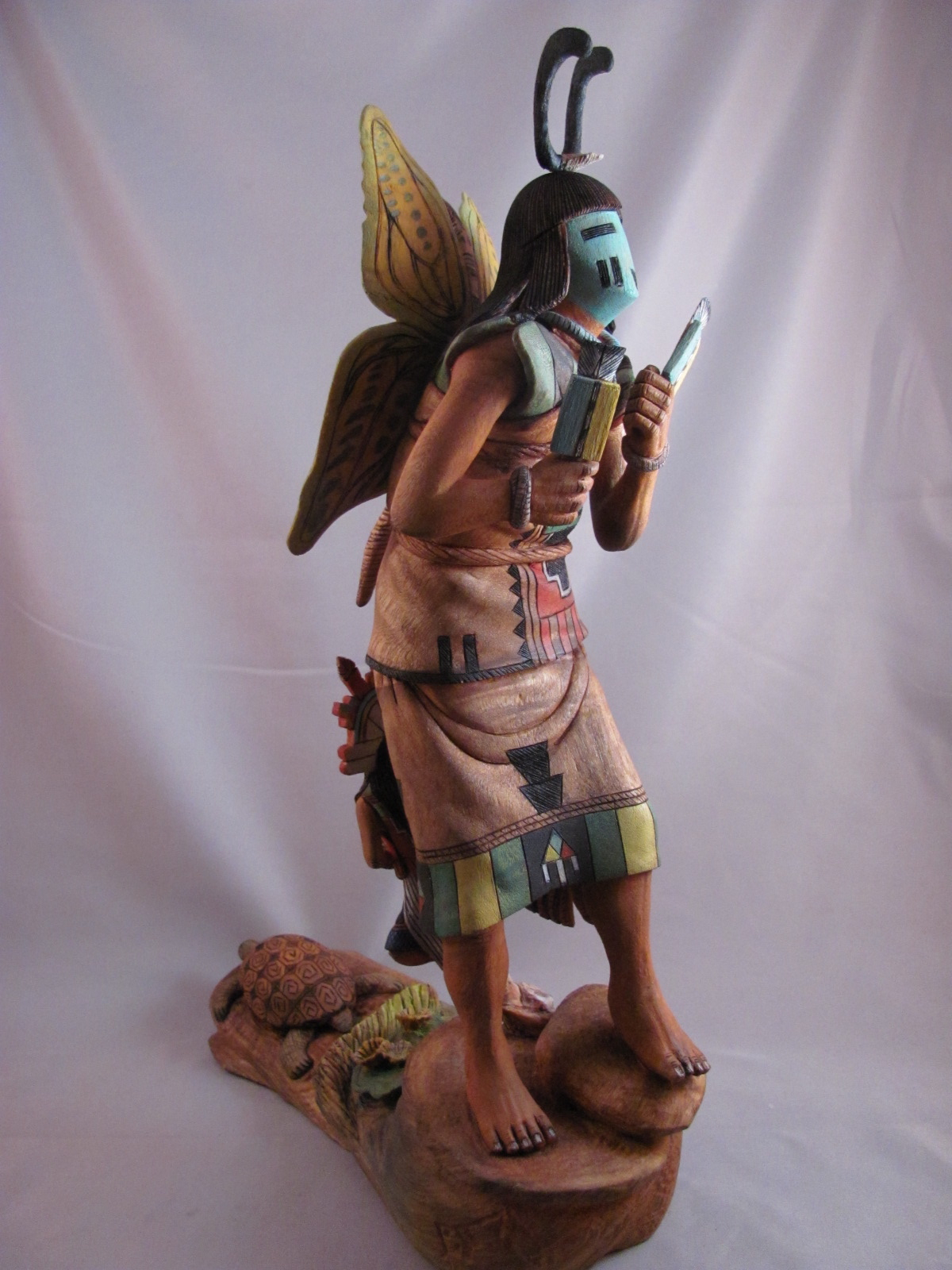
Hopi Masau Kachina by Cecil Calnimptewa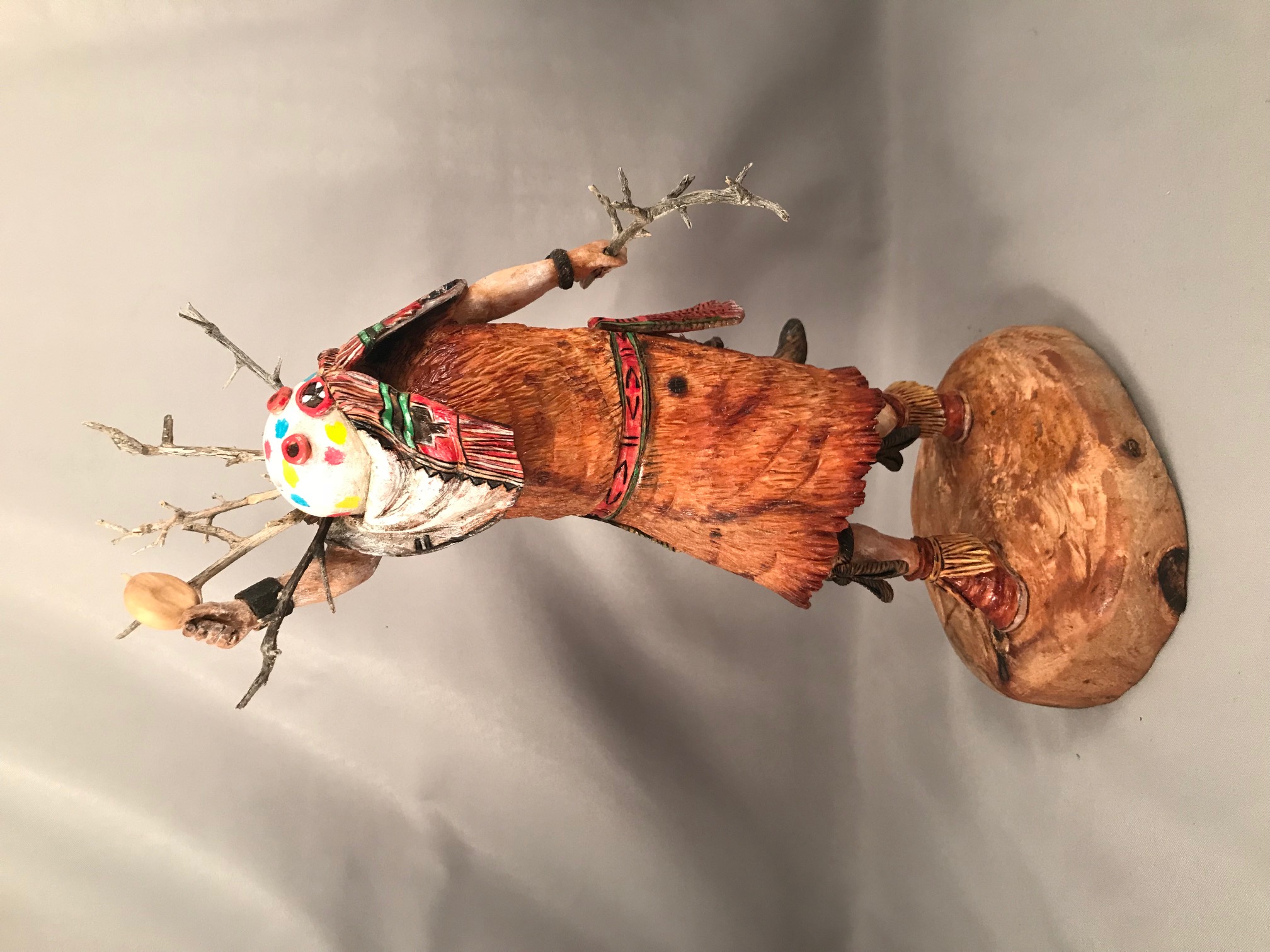
Hopi Masau Kachina
|
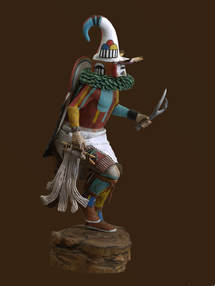
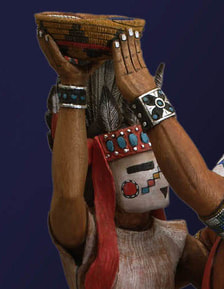
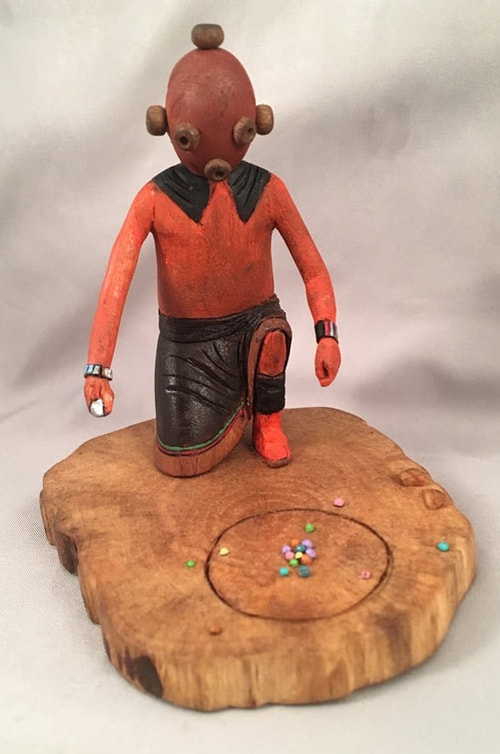
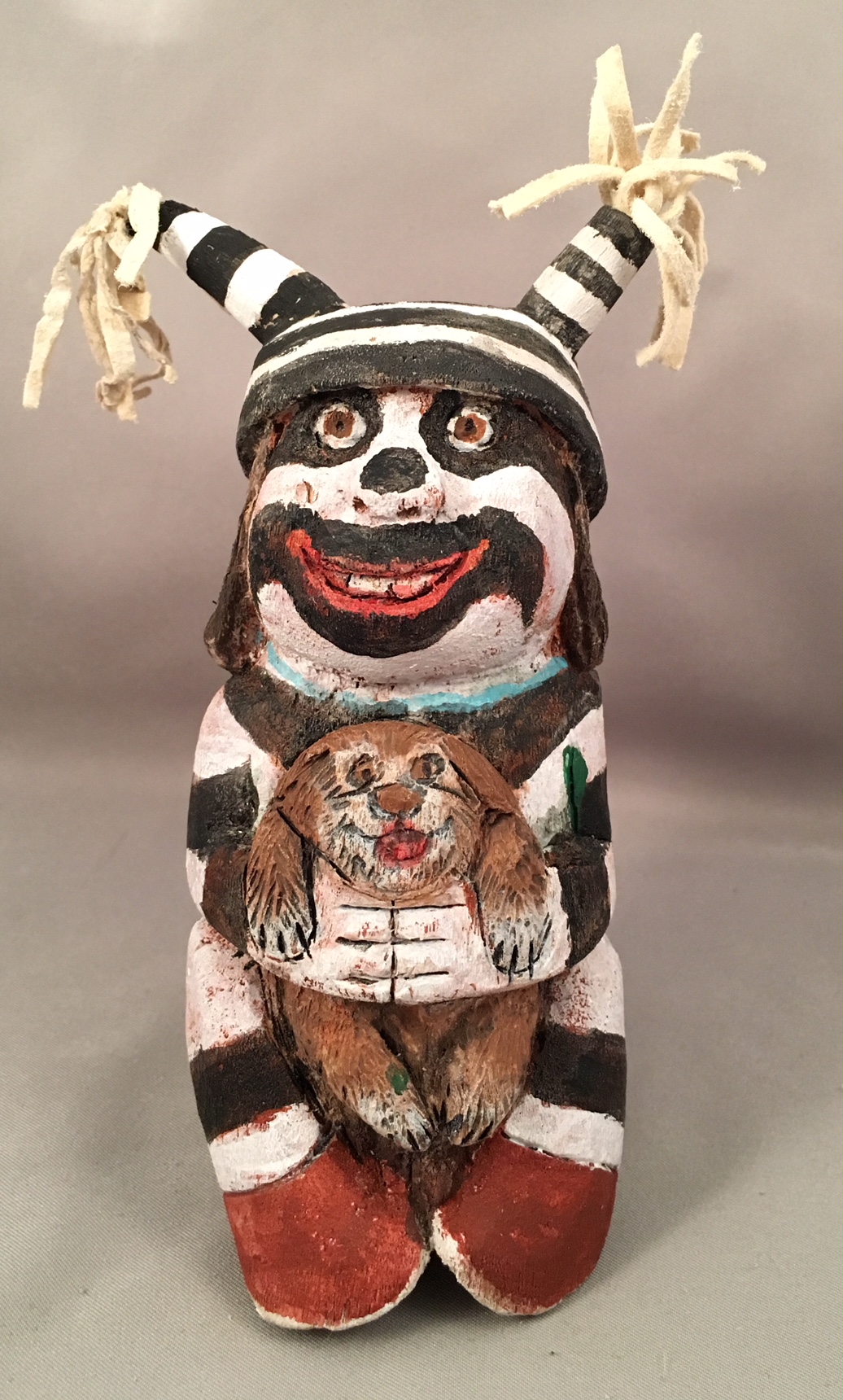
Hopi Marble Shooter Mudhead
|
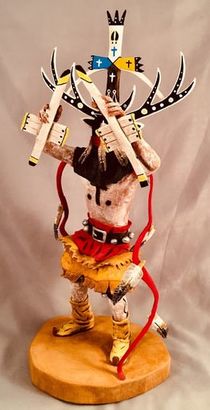
Hopi Ahote Kachina
|


Kachina Dolls
The Hopi tribe, one of the tribes that started creating the Kachina dolls. The Hopi people believe in powerful supernatural beings and they should not interfere with them. They often possess things that represent their powers that the Hopi’s do not possess. Therefore. Kachina dolls represent the Katsina spirits. Many rituals may be practiced for these certain Kachinas to show gratitude for them. The Kachina dolls were often given as gifts to young girls of their tribes to teach them about the different gods. Each one of these gifts represents many different prayers and blessings for the girls. These dolls are not toys; however, they are gifts for young girls. They usually receive two dolls each year and they bring safety and prosperity to the family and their land.
The first known trader to obtain a Kachina doll in the US was in 1857. Then many others were found throughout the 19th century. The Kachina doll is hand carved out of cottonwood root to represent certain blessings of the supernatural. No two Kachinas are exactly the same. Then they are hand painted. Many tools are used to create these masterpieces such as, hand saws, mallets, hatchets, hammers, chisels, rasps, and knives, ranging from pocket knives to butcher knives. Most often Kachinas are made out of a single piece of wood. Today many Kachinas are carved in great detail. They often depict different actions that the spirits who posses them might do. For example, many dolls are depicting flying, dancing or hunting. There are usually about four kachinas: the taywa’yla, the Muringputihu, and the Tithu. A modern Kachina that is often sold today as souvenirs etc. is the miniature Kachina. Every Kachina symbolizes something important to the Hopi’s way of life. Everything is very special on the Kachina especially the details from the painting done by the artist.
To know whether or not a Kachina is “of worth” or authentic then you need to pay close attention to its detail. If it looks to be as if the Kachina was poorly made or beaten very badly then it is not reliable. Many artist try and make Kachinas as detailed and as they can as well as very lifelike. The Kachinas should be very well proportioned as well as show some sort of action and very colorful. They must have detail. Kachinas can be very fun to collect and search for you just need to know which one is the right one for you.
The first known trader to obtain a Kachina doll in the US was in 1857. Then many others were found throughout the 19th century. The Kachina doll is hand carved out of cottonwood root to represent certain blessings of the supernatural. No two Kachinas are exactly the same. Then they are hand painted. Many tools are used to create these masterpieces such as, hand saws, mallets, hatchets, hammers, chisels, rasps, and knives, ranging from pocket knives to butcher knives. Most often Kachinas are made out of a single piece of wood. Today many Kachinas are carved in great detail. They often depict different actions that the spirits who posses them might do. For example, many dolls are depicting flying, dancing or hunting. There are usually about four kachinas: the taywa’yla, the Muringputihu, and the Tithu. A modern Kachina that is often sold today as souvenirs etc. is the miniature Kachina. Every Kachina symbolizes something important to the Hopi’s way of life. Everything is very special on the Kachina especially the details from the painting done by the artist.
To know whether or not a Kachina is “of worth” or authentic then you need to pay close attention to its detail. If it looks to be as if the Kachina was poorly made or beaten very badly then it is not reliable. Many artist try and make Kachinas as detailed and as they can as well as very lifelike. The Kachinas should be very well proportioned as well as show some sort of action and very colorful. They must have detail. Kachinas can be very fun to collect and search for you just need to know which one is the right one for you.
Our Kachina Artists
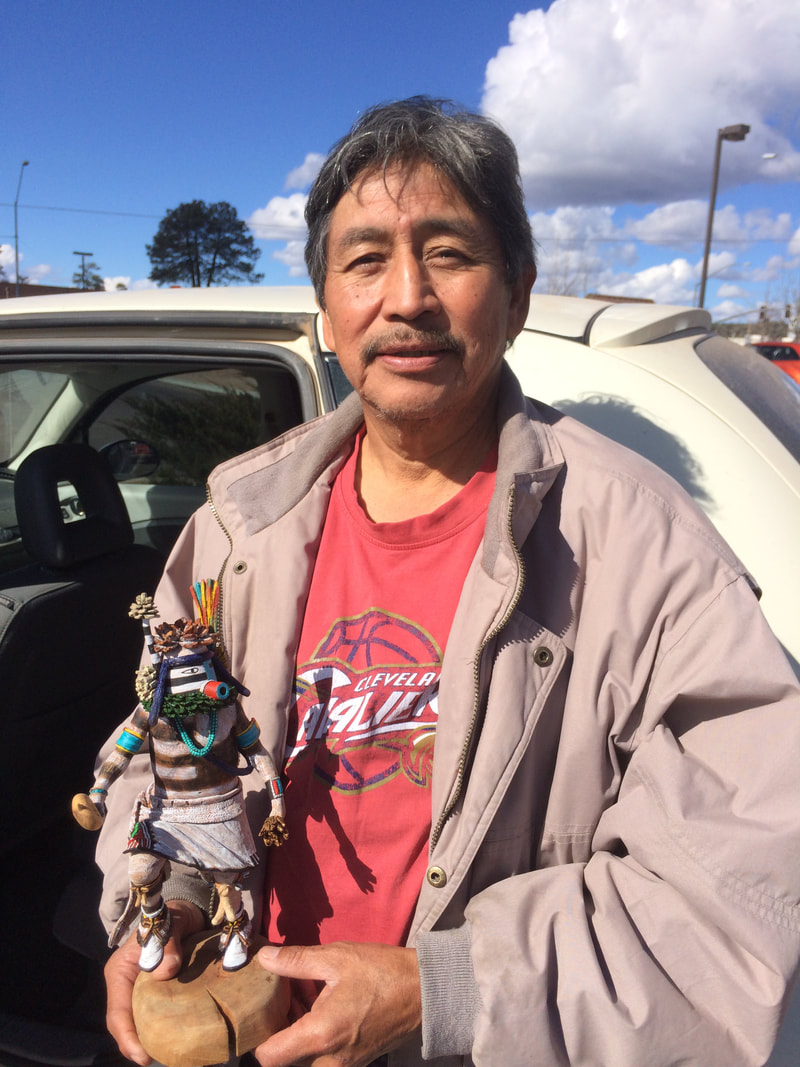
Cecil Calnimptewa
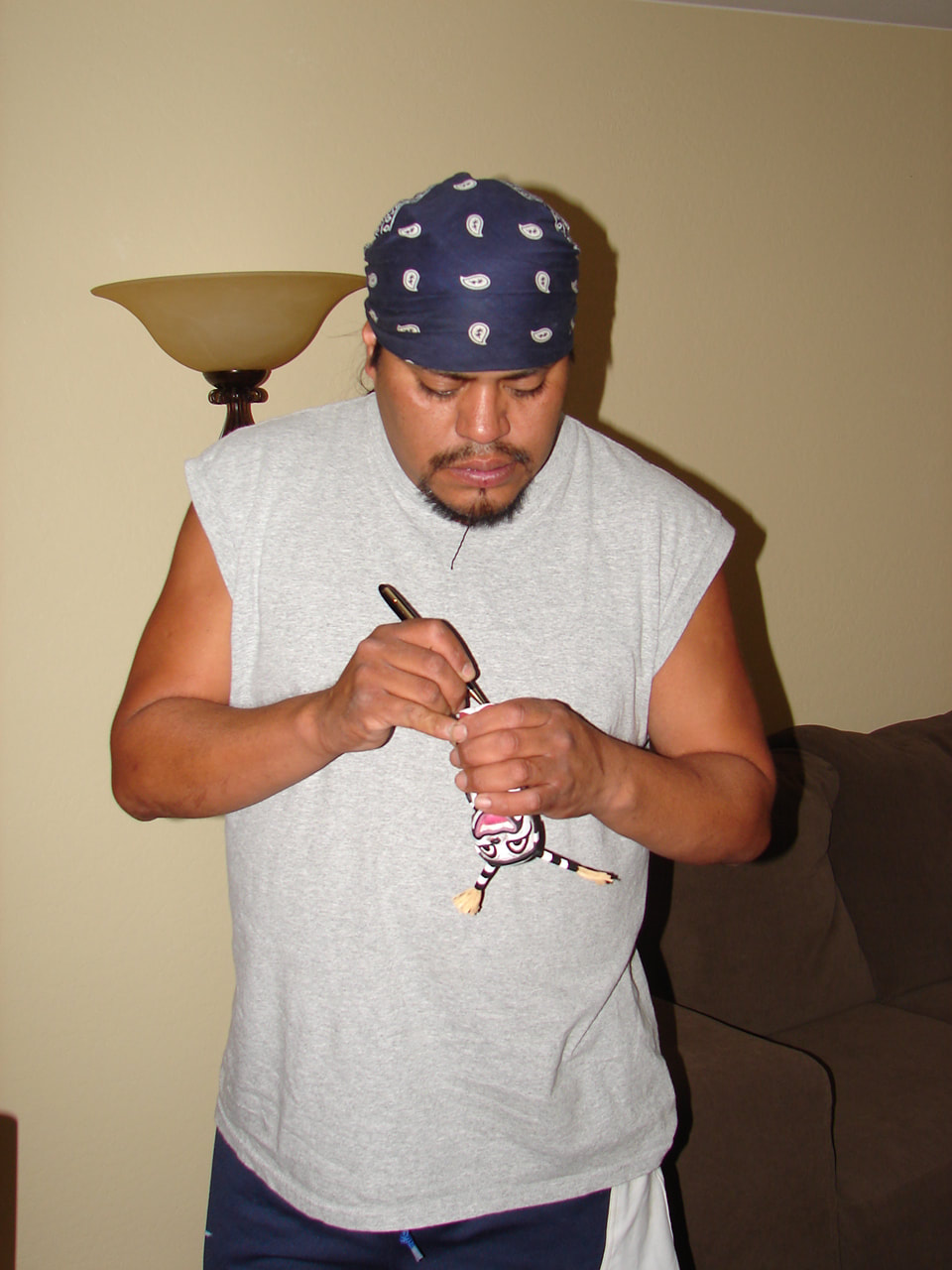
Hopi Carver John David, Sr.
|
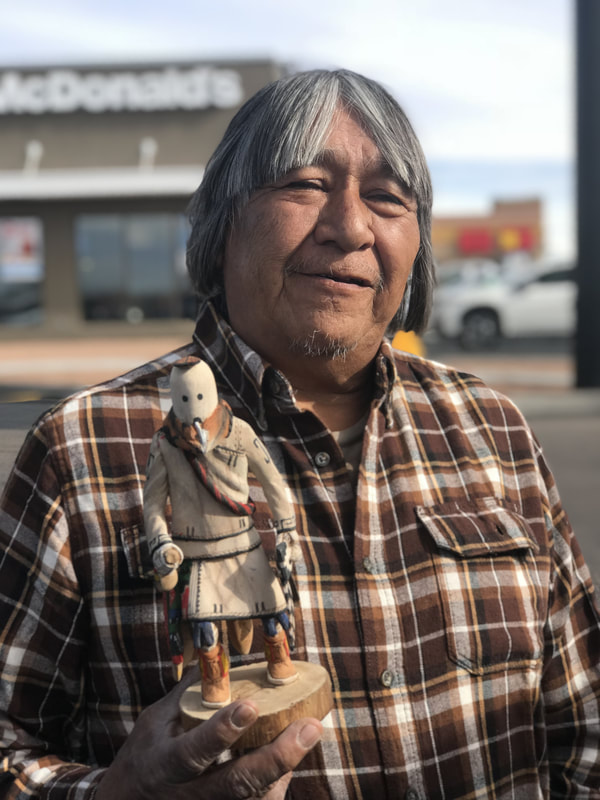
William Kootswatewa

Nate Jacobs
|